
Tag: plants

  • Manure: Some Facts

    Things I know about manure through trial and error – lots and lots of error.

    The Scoop on Poop

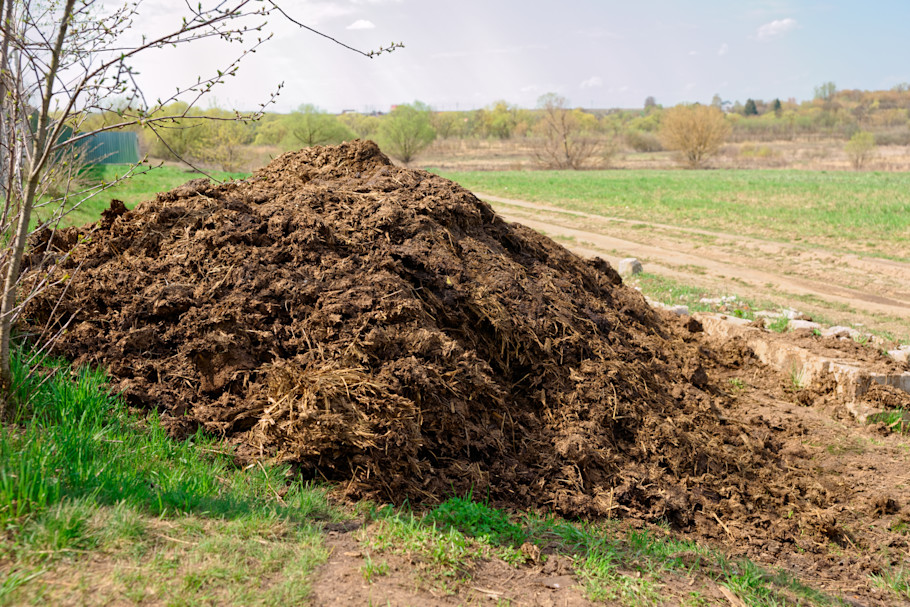
    Manure that is old, 5 or more years old is well composted. It is cool and groovy. Garden stores sell it. It is marvelous stuff. Unfortunately, most manure is not old.

    Hot or Fresh Manure

    A Natural Weed Killer

    1. Hot/Fresh manure has a high nitrogen count. I use fresh horse manure to kill weeds. Applied regularly it kills Canadian Thistle. A five gallon pail of freshish horse manure on cut thistle every other month will kill it.
    2. Hot manure is a wonderful addition to garden paths. A 4-6 inch layer of manure covered with straw sheets will stop the weeds.
    3. Animals eat grain. North American grain is treated with glyphosate, commonly known as Roundup. Glyphosate builds up and leaves behind aminomethylphosphonic acid, which destroys microbes in soil.
    4. In short, Hot/Fresh manure should be used to kill weeds and kept far away from the things you eat.
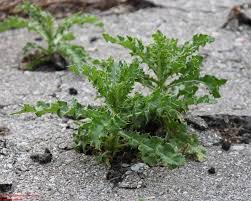
    My Nemesis, Canadian Thistle.
    Image courtesy of
    https://abinvasives.ca/fact-sheet/thistle-canada/

    The Manure Test

    Concerned about that aged manure you bought from your local organic sheep farmer? Test it.

    • Mix the manure with your garden soil. Fill a small pot with the mixture. Plant a bean in it. Write manure and garden soil on the pot.
    • Mix the manure with potting soil. Plant a bean in it. Write manure and potting soil on the pot.
    • Fill a pot with your garden soil. Plant bean in it. Write garden soil on the pot.
    • Fill a pot with potting soil. Plant a bean in it. Write potting soil on the pot.
    • Grow.
    • If the beans leaves are wrinkled or curl in it is being affected by an herbicide. If it grows, but is spindly and looks unhealthy, then the soil might be nutrient depleted or unbalanced. If it looks awesome – good job! Yes, anyone can grow a bean. We did it in school. Beans are sensitive little dudes. They are the litmus test veg.
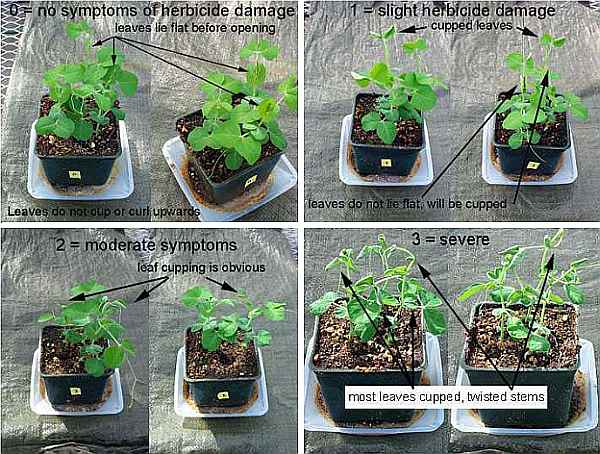
    Image courtesy of Easy Digging – Full explanation of Bean Test

    If your bean doesn’t look robust, and it was in your garden soil don’t freak out.

    If the soil crumbles easily, add some of that aged manure or compost to it. Aged compost or manure can be bought in the spring at schools, city compost centre, and zoos.

    If the soil is sticky and has a high clay content, add sand, straw, and compost to it, to give it more air pockets. Roots need air.

    If the soil won’t form a ball, it might have a very high sand content. Add more black dirt and compost.

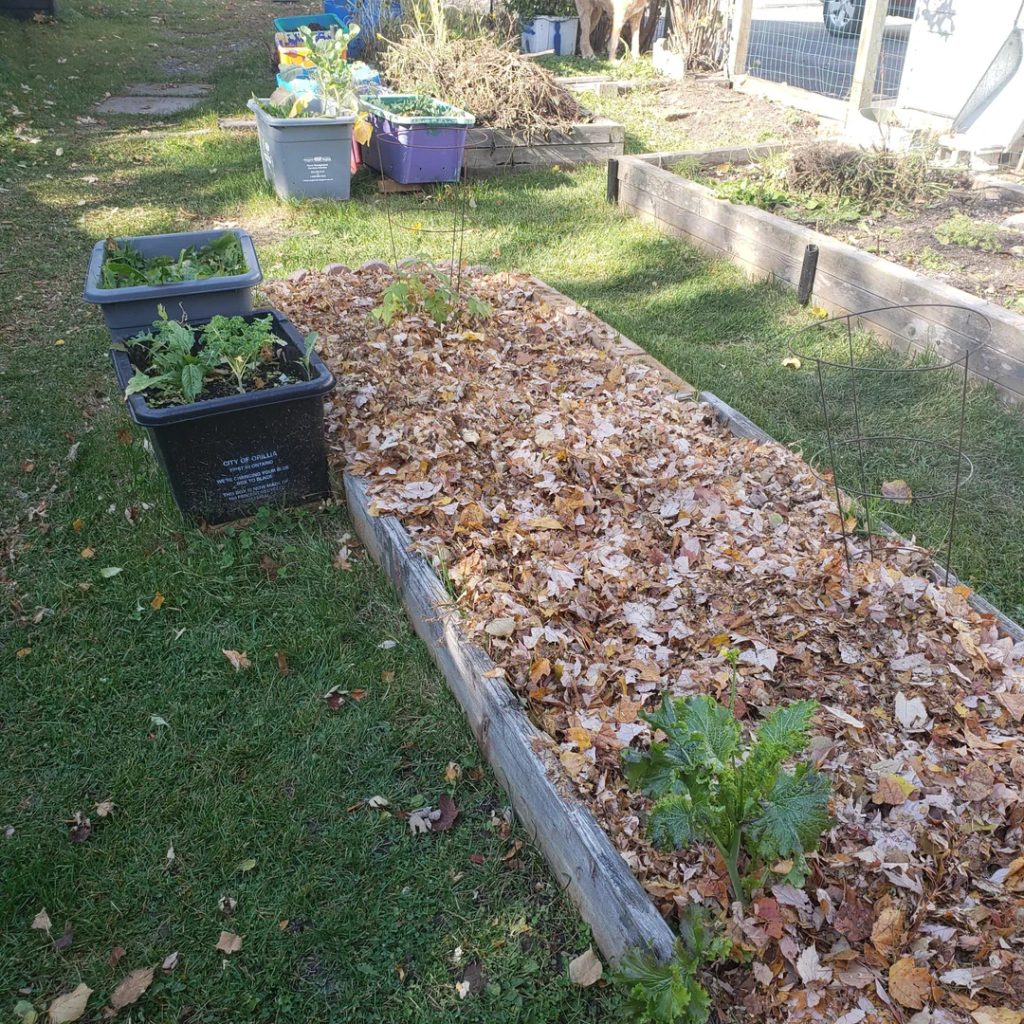
    Compost is the solution to 90% of most garden woes. Cover your garden every fall under a thick layer of leaves. In the spring mix those leaves into the garden soil. That’s composting the cheap and easy way.
    Next up – Planting for your soil type!

    Did you know that no matter what your soil is like, salty, alkaline, sticky gumbo clay, or covered in moss there’s a plant out there who will love it, and heal it? Stay tuned for more.
  • Zone 3 Trees and Bushes

    Zone 3 has temperatures that range from -40 to +40 celcius, and winds up to 100 km/h. Every tree or bush is rated for zone 3.

    Why trust me?

    My dad and his bestie owned a tree farm when I was a teen. His bestie’s family owned one of the largest nurseries in Central Alberta and taught my Dad, who taught me.

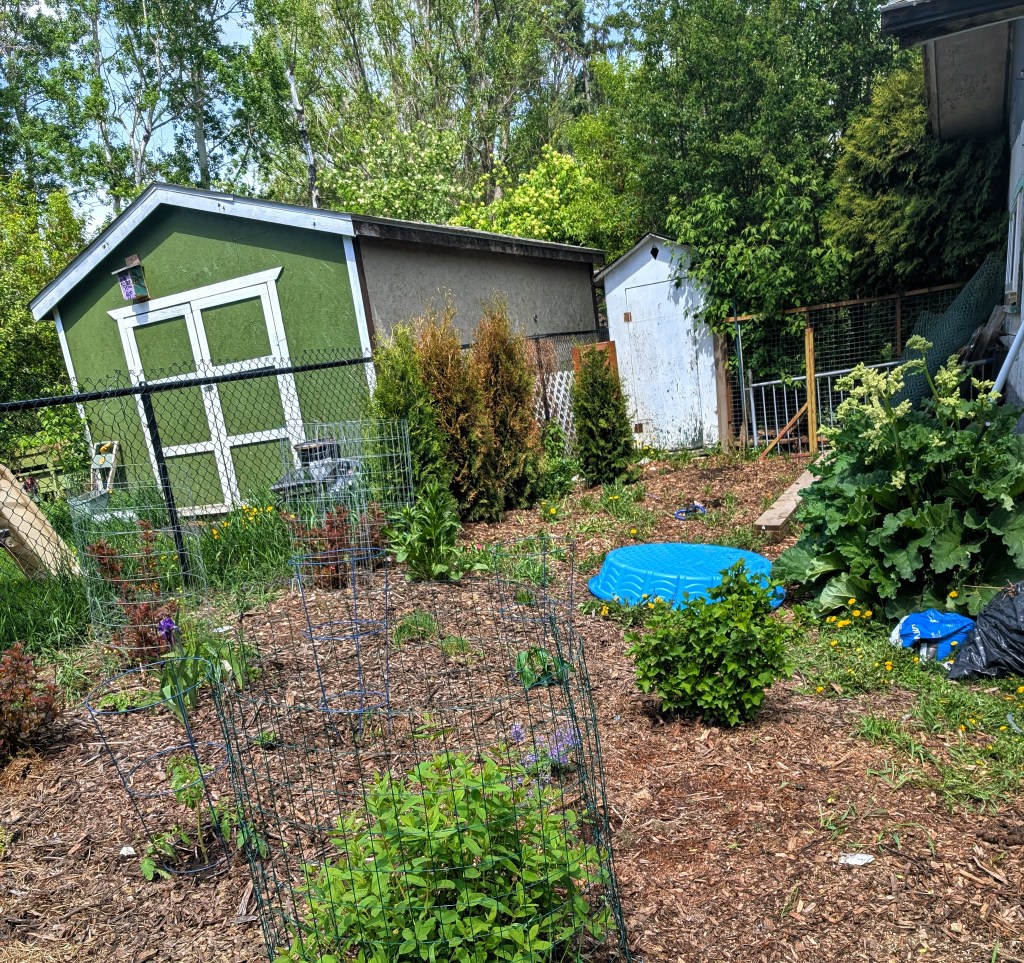
    The two middle cedar trees are dying because they were not planted within 3 days of purchase. They may have dried out during transportation to the store. All Brandon cedars were planted the same day.

    How to Plant a Tree

    • Dig a hole slightly larger than the size of the pot or root ball.
    • Fill it with water, wait for water to drain, refill with water. If after 15 minutes hole is dry, refill with water. Continue until hole holds water for 15 minutes.
    • Add in a handful of bone/blood meal or alfalfa pellets.
    • Take tree out of pot, unwrap burlap from root ball.
    • Break apart the roots a bit, they should still have soil on them.
    • Place in watery hole.
    • Backfill with good soil.
    • Tamp around the tree with your feet to remove air pockets.
    • Cover base of tree with 2-4 inches of sawdust or wood chips. Keep this 2 inches away from the tree’s trunk.
    • Water weekly, more depending on weather and soil conditions.

    Sunlight

    6+ hours of direct light

    • Trees: White Oak, Norway and Silver Cloud Maple, Lilac, Wichita Blue Juniper, Ponderosa Pine, Apples, Plums, Dwarf Cherry varieties, Apricots, Pears
    • Bushes: Ninebark, Caragana, Conteaster, Haskap, Currants and Gooseberries, Sour Cherry, Chokecherry, Pin Cherries, Elderberries, Double Flowering Plum

    6 hours of direct sunlight

    • Most trees need 6 or more hours of direct sunlight
    • Bushes: Raspberries, Saskatoons, Nanking Cherry, Cinquefoil

    Low Light, less than 6 hours of direct light

    • Low light shrubs include Dogwoods, blueberries, cranberries (viburnums)
    • Flowering bushes like Hydrangeas, rhododendrons, astilbe and azalea prefer shade.

    Wind

    Not every tree is okay with wind, at least until they are well-established.

    Planting a Shelterbelt and Windbreak

    • Lilacs, Amur and Manitoba Maples, Spruce, Conteaster, and Caragana are good windbreak and shelter belt trees.
      • Note Caragans disperse a toxin through their root system that prohibits anything from growing near it.

    Need Protection

    • Cedars and pyramid junipers need shelter from wind while establishing. Best planted along a fence.
    • Fruit trees can sustain damage during high winds. Prune yearly to minimize damage.
    • Many willows and elms will “self prune” during heavy winds. Yearly pruning is recommended.
      • To prevent dutch elm disease, check with your region for elm tree pruning times.

    Salt

    Planting near your driveway or sidewalk? Chose a tree a drought resistant, high salt tolerant tree or bush. These are usually drought resistant trees and bushes planted by cities along boulevards. Here are some varieties.

    • Some varieties of Elm, Juniper, Austrian Pine, Hawthorne, White Oak, and Thornless Honey Locust

    Soil Type and Recommendations

    I classify soil as

    • Boggy, wet, with lots of peat
      • Birch, Cranberry, Weeping Willow, Tamaracks, White Cedar, Dogwood
    • Claylike, sticky, cracks when dry, sucks up water quickly
      • Willows, Aspens, Ninebark, White Cedar, Potentilla, some Linden and Ash trees
    • Highly acidic due to nearby fir trees
      • Mountain Ash and Ash trees, Saskatoons, Blueberries, Amur Maple, White spruce, Balsam Poplar
    • Rich and well draining
      • Anything you want except the plants that need wet, boggy conditions.

    Soil can be faked.

    Planting into straight clay is hard on your trees, shrubs and perennials. To give your plants the best start dig a hole twice the size needed. Fill the hole halfway with a mixture of peat moss, perlite, sand, and black dirt before filling with water. Add pine needles for acidic soil. Your plants will thank you.

    Place the clay around the foundation of your house. It prevents leaking.

    Proximity to House, Sewage, and Water Lines

    Roots can cause big problems. For instance the root system of poplars and firs is approximately the same size as the tree is tall.

    Invasive Root System – min. 35 feet from foundation and water lines

    • Trees: Aspens, Poplars, American Elm, Manitoba Maple, Willows
    • Shrubs: Double Flowering Plum, American Hazelnut, Red-osier Dogwood.

    Non-invasive Root System, Foundation Friendly

    • Trees: Amur Cherry, Pagoda Dogwood, Brandon Cedar (very common), Lilacs, Crabapples, Ornamental Pear, Mayday, Hawthorne, Chokecherry, Common Juniper, Apple, Plum, Amur Maple, Dwarf Alberta Spruce
    • Shrubs: Saskatoon, Rocky Mountain Juniper, Elderberry, Arborvitae, Azalea, Hydrangea.

    Summarize

    Look at the place you want to plant a new tree or a small orchard/food forest. Note hours of sunlight, wind, and soil to make a better choice. Lastly, are you a decent distance from water lines and house foundation?

    Once you got that all figured out talk to your local tree farm nursery start looking at plants online and in-person. Work out your financial, physical effort, and time budget before you spend any money.

    Be patient. Creating a food forest or landscaping a yard takes time. As things grow you might be surprised to discover that your first ideas won’t work because the haskap is enormous and the berries are delicious.

    Thanks for reading!

  • Zone 3 Trees and Bushes

    Zone 3 has temperatures that range from -40 to +40 celcius, and winds up to 100 km/h. Every tree or bush is rated for zone 3.

    Picture of the backyard in progress, haskap, black currant, ninebarks, horseradish, bearded iris, 4 cedar trees.

    Why trust me?

    My dad and his bestie owned a tree farm when I was a teen. His bestie’s family owned one of the largest nurseries in Central Alberta and taught my Dad, who taught me.

    The two middle cedar trees are dying because they were not planted within 3 days of purchase. They may have dried out during transportation to the store. All Brandon cedars were planted the same day.

    How to Plant a Tree

    • Dig a hole slightly larger than the size of the pot or root ball.
    • Fill it with water, wait for water to drain, refill with water. If after 15 minutes hole is dry, refill with water. Continue until hole holds water for 15 minutes.
    • Add in a handful of bone/blood meal or alfalfa pellets.
    • Take tree out of pot, unwrap burlap from root ball.
    • Break apart the roots a bit, they should still have soil on them.
    • Place in watery hole.
    • Backfill with good soil.
    • Tamp around the tree with your feet to remove air pockets.
    • Cover base of tree with 2-4 inches of sawdust or wood chips. Keep this 2 inches away from the tree’s trunk.
    • Water weekly, more depending on weather and soil conditions.

    Sunlight

    6+ hours of direct light

    • Trees: White Oak, Norway and Silver Cloud Maple, Lilac, Wichita Blue Juniper, Ponderosa Pine, Apples, Plums, Dwarf Cherry varieties, Apricots, Pears
    • Bushes: Ninebark, Caragana, Conteaster, Haskap, Currants and Gooseberries, Sour Cherry, Chokecherry, Pin Cherries, Elderberries, Double Flowering Plum

    6 hours of direct sunlight

    • Most trees need 6 or more hours of direct sunlight
    • Bushes: Raspberries, Saskatoons, Nanking Cherry, Cinquefoil

    Low Light, less than 6 hours of direct light

    • Low light shrubs include Dogwoods, blueberries, cranberries (viburnums)
    • Flowering bushes like Hydrangeas, rhododendrons, astilbe and azalea prefer shade.

    Wind

    Not every tree is okay with wind, at least until they are well-established.

    Planting a Shelterbelt and Windbreak

    • Lilacs, Amur and Manitoba Maples, Spruce, Conteaster, and Caragana are good windbreak and shelter belt trees.
      • Note Caragans disperse a toxin through their root system that prohibits anything from growing near it.

    Need Protection

    • Cedars and pyramid junipers need shelter from wind while establishing. Best planted along a fence.
    • Fruit trees can sustain damage during high winds. Prune yearly to minimize damage.
    • Many willows and elms will “self prune” during heavy winds. Yearly pruning is recommended.
      • To prevent dutch elm disease, check with your region for elm tree pruning times.

    Salt

    Planting near your driveway or sidewalk? Chose a tree a drought resistant, high salt tolerant tree or bush. These are usually drought resistant trees and bushes planted by cities along boulevards. Here are some varieties.

    • Some varieties of Elm, Juniper, Austrian Pine, Hawthorne, White Oak, and Thornless Honey Locust

    Soil Type and Recommendations

    I classify soil as

    • Boggy, wet, with lots of peat
      • Birch, Cranberry, Weeping Willow, Tamaracks, White Cedar, Dogwood
    • Claylike, sticky, cracks when dry, sucks up water quickly
      • Willows, Aspens, Ninebark, White Cedar, Potentilla, some Linden and Ash trees
    • Highly acidic due to nearby fir trees
      • Mountain Ash and Ash trees, Saskatoons, Blueberries, Amur Maple, White spruce, Balsam Poplar
    • Rich and well draining
      • Anything you want except the plants that need wet, boggy conditions.

    Soil can be faked.

    Planting into straight clay is hard on your trees, shrubs and perennials. To give your plants the best start dig a hole twice the size needed. Fill the hole halfway with a mixture of peat moss, perlite, sand, and black dirt before filling with water. Add pine needles for acidic soil. Your plants will thank you.

    Place the clay around the foundation of your house. It prevents leaking.

    Proximity to House, Sewage, and Water Lines

    Roots can cause big problems. For instance the root system of poplars and firs is approximately the same size as the tree is tall.

    Invasive Root System – min. 35 feet from foundation and water lines

    • Trees: Aspens, Poplars, American Elm, Manitoba Maple, Willows
    • Shrubs: Double Flowering Plum, American Hazelnut, Red-osier Dogwood.

    Non-invasive Root System, Foundation Friendly

    • Trees: Amur Cherry, Pagoda Dogwood, Brandon Cedar (very common), Lilacs, Crabapples, Ornamental Pear, Mayday, Hawthorne, Chokecherry, Common Juniper, Apple, Plum, Amur Maple, Dwarf Alberta Spruce
    • Shrubs: Saskatoon, Rocky Mountain Juniper, Elderberry, Arborvitae, Azalea, Hydrangea.

    Summarize

    Look at the place you want to plant a new tree or a small orchard/food forest. Note hours of sunlight, wind, and soil to make a better choice. Lastly, are you a decent distance from water lines and house foundation?

    Once you got that all figured out talk to your local tree farm nursery start looking at plants online and in-person. Work out your financial, physical effort, and time budget before you spend any money.

    Be patient. Creating a food forest or landscaping a yard takes time. As things grow you might be surprised to discover that your first ideas won’t work because the haskap is enormous and the berries are delicious.

    Thanks for reading!